Physical Therapist
  • Home
    • What People Say About ProFormance
    • Meet Dr. Duggan and Staff
    • How ProFormance is Different
    • Wall of Fame Clients
  • Services
    • Huntsville Physical Therapy
    • Athens Physical Therapy
    • Crossfit, Baseball, and Running Performance Screens and Training
    • Comprehensive Wellness One Stop Shop
    • Dry Needling
    • Personal Training
    • Stretch Clinic
    • BFR: Blood Flow Restriction
  • Patient Info
    • New Patient Paperwork
    • Buy Supplies
    • Insurance and Billing
    • FAQ
    • Pay Your Bill
  • Crossfits and Sports Teams
  • Blog & News
  • Contact

Blood Flow Restriction (BFR) training for bone growth

11/29/2023

 
Maggie Duggan, PT, DPT, FDN-1, CF-OL1
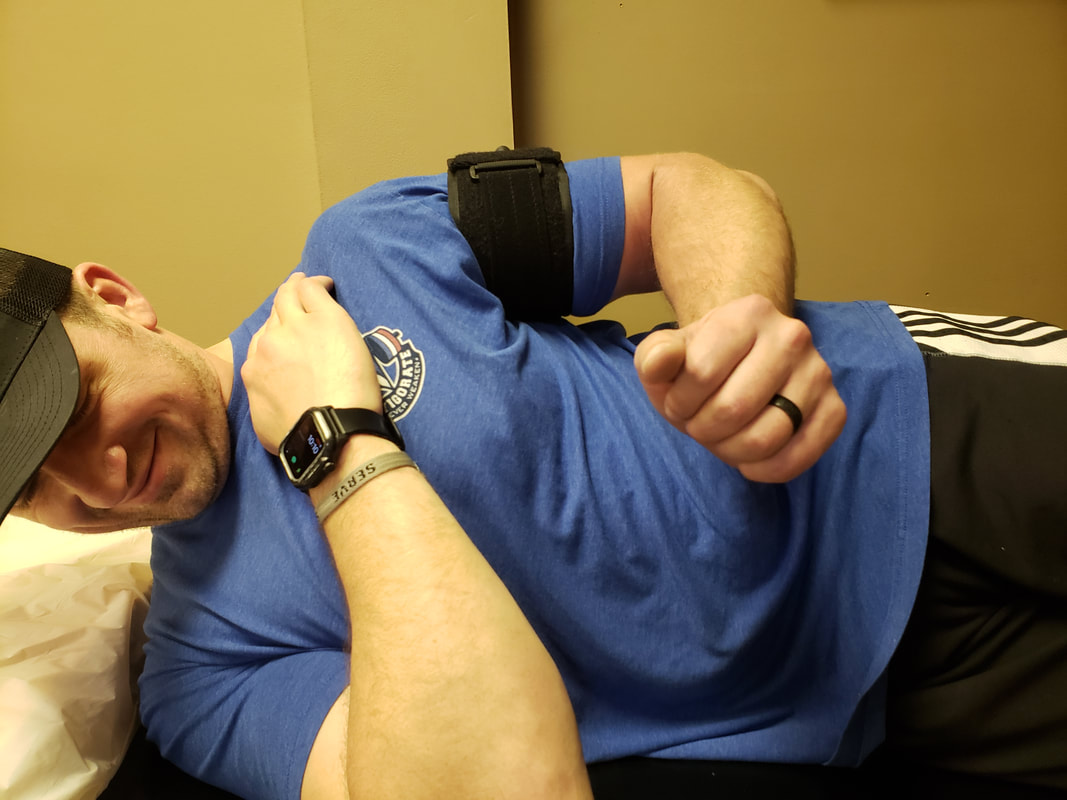
We know that using BFR promotes muscle hypertrophy and strength as well as neuromuscular gains. Increasingly studies are now demonstrating improved bone health with BFR use. Who doesn't want improved muscle, nervous system, and bone health?

"First evidence indicates that low load BFR exercise is effective in promoting an osteogenic response in bone, although this has previously been postulated to adapt primarily during high-impact weight-bearing exercise....first long-term trials demonstrate beneficial adaptations in bone in both healthy and clinical populations."

https://journals.physiology.org/doi/epdf/10.1152/japplphysiol.00723.2022

We are proud to offer BFR to our healthy wellness populations to provide an edge in their strengthening, performance, and osteogenesis (bone growth) as well as our physical therapy patients who need it for strength, neuromuscular, and bone returns after injury or surgery. 
​
Picture

Maintain Your Strength Gains

9/13/2023

 
​In a recent study published in the July 2023 edition of the Journal of Strength and Conditioning Research, researchers found “maintenance of muscle mass and strength is not superior after home-based resistance training compared with center-based training. However, training continuation seems crucial for the maintenance of muscle mass, irrespective of the training intervention” across participants aged 65 and older.
Picture
One participant group performed low-intensity home resistance training (sit-to-stands, modified push-ups, and TheraBand leg exercises). The other group performed high intensity exercises in a facility with machines (same leg exercises but with machines, lat pull-downs, seated shoulder press machines). Participants had their muscle strength, muscle mass, and function measured at baseline, 6 months of training, 12 months of training, and 6 months post-study. Both groups used the same progression protocol, but neither demonstrated superior effects to the other group in terms of strength and muscle mass.

What does that mean for us?

It is ok to not have to go to the gym for every workout or at all to exercise. Going to the gym has other benefits such as accountability, exposure to new exercises, encouragement from peers, and more, but to maintain strength and muscle mass, you can keep going with your TheraBand and calisthenics exercises at home. Lack of access to a gym does not mean that you cannot work out after therapy ends. ​
Picture
Maggie Duggan, PT, DPT, FDN-1, CF-OL1

What is Plantar Fasciitis and How Do I Fix it?

7/4/2023

 
Picture
Committing to getting healthy, working out more, finally seeing results is a...journey
And one that can come to a grinding halt in on morning with  tight, stabbing pain in the heel.
While it's easy to walk it off at first, hit the box, and continue on with the day, it becomes more difficult to ignore as the nagging pain in the heel grows stronger. 
And lingers. 
And walking becomes nearly unbearable, never mind box jumps and deadlifts. 


Did this description sound familiar? 
These are all common signs and symptoms of plantar fasciitis.
 
WHAT IS IT? 
"Plantar Fasciitis (PF) is an overuse injury that occurs due to excessive loading of the plantar fascia, possibly related to pronation and low arch height, which flattens the medial arch and increases stress on the fascia"


TRANSLATED: The plantar fascia is a thick band of connective tissue at the bottom of the foot responsible for absorbing load and creating tension to enable walking, running, and jumping. When the origin of the plantar fascia becomes irritated, it becomes painful.


 WHAT DOES IT FEEL LIKE? "PF is characterized by pain concentrated at the medial calcaneal tubercle that increases with weight-bearing following periods of non-weightbearing."

TRANSLATED: Usually plantar fasciitis is experienced as a sharp pain at  the direct center of the heel, off to the inside of it, or all around it. Typically, it hurts most at the beginning walking after sitting/resting for an extended period of time. The pain can also improve as with continued walking, mobility, general movement, etc.

WHAT CAUSES IT?
  • Flat feet, low arches, over pronation 
  • Increased workload such as an increase in walking, running, sprinting, jumping, or other high impact activities
  • Decreased foot dynamic stability (balance) resulting in "altered neuromuscular control of whole-body dynamic stability"
  • Altered gait pattern 
  • Decreased intrinsic foot muscle volume 

SIGNS AN ATHLETE SHOULD NOT CONTINUE TO EXERCISE AND RUN THROUGH PLANTAR FASCIITIS:
While it is possible to continue with an exercise regime despite pain, strong indicators that it’s time to see a physical therapist include:
  • Pain does not gradually disappear after walking
  • No amount of warming up decreases symptoms 
  • Inability to walk normally due to pain
  • Pain is regularly 4/10 or greater
  • It's difficult to ignore the symptoms during daily life

​Consequences could include:
"Continuing to run (and exercise) through pain with plantar fasciitis could result in altered gait. Compared to healthy runners, individuals with PF have been shown to have [altered foot mechanics such as]…greater rearfoot eversion, forefoot sagittal range of motion, and first metatarsal phalangeal joint range of motion.

Further, individuals with PF have lesser vertical ground reaction forces during propulsion, reduced rearfoot center of pressure (COP), reduced impulse, and reduced peak vertical ground reaction force at loading response as compared to healthy individuals "
 
Translation: When an athlete is struggling through a rough case of plantar fasciitis, foot mechanics will be changed and altered. This can lead to general compensations resulting in further injury, especially during high impact activities such as box jumps, running, etc. 

HOW TO FIX PLANTAR FASCIITIS 
A well rounded approach including both manual treatment by a physical therapist and exercise is the best rehab routine!

Manual, or hands on, intervention, may include mobilizations of the heel bone to restore calcaneal mobility and soft tissues. This can including blading, dry needling, and more to improve tolerance to symptoms.

Exercises your physical therapist may use during your treatment session include: 
  • Toe yoga: attempt to lift on the large toe, keeping remaining toes on the floor. Hold for 2 secs. Relax. Repeat 10x 
  • Calf stretches
  • Foot Doming:  Reps + Sets: "When performed 3 minutes a day for 4 wk, this exercise can reduce navicular drop (arch collapse) by 14.2% "​​

Picture

If you’re wondering whether it’s time to seek out professional care, it’s time. 

Reach out to us by filling out a form on our website. 
We’re excited to work with you!

​Marie Whitt, PT, DPT


References:
Cheung, R. et al. (2015) “Intrinsic foot muscle volume in runners with and without chronic bilateral plantar fasciitis,” Physiotherapy, 101. Available at: https://doi.org/10.1016/j.physio.2015.03.414.
Kelly, D.K., Wiegand, K. and Freedman Silvernail, J. (2022) “Dynamic Stability in runners with and without plantar fasciitis,” Gait & Posture, 96, pp. 301–305. Available at:
https://doi.org/10.1016/j.gaitpost.2022.06.003.
Osborne, J.W.A. et al. (2019) “Muscle function and muscle size differences in people with and without plantar heel pain: A systematic review,” Journal of Orthopaedic & Sports Physical Therapy, 49(12), pp. 925–933. Available at: https://doi.org/10.2519/jospt.2019.8588.
Wiegand, K., Tandy, R. and Freedman Silvernail, J. (2022) “Plantar fasciitis injury status influences foot mechanics during running,” Clinical Biomechanics, 97, p. 105712. Available at: https://doi.org/10.1016/j.clinbiomech.2022.105712.

Glutes won't turn on? Build STRONGER GLUTES NOW!

5/15/2023

 
 “How do I fix my weak glutes?”
"My glutes won't turn on."
“What are the best glute exercises I should be doing?”
INJURY QUIZ:
Ever had ANY of these injuries before?
  • ITB issues 
  • Knee pain
  • Achilles tendonitis
  • Shin splints
 ALL of these issues can stem from one cause: poor glute activation, stability, strength…
general difficulty "turning the glute muscle on"

But there's a twist.
There's a difference between glutes "being on" and activated vs. glutes being strong.
Case in point:
"Electromyography research has shown that the single-leg squat and clam shells activate the gluteal musculature. A variety of hip extensibility exercises have been proven in the literature to increase hip range of motion in runners. No research measured the effects of a combined hip strengthening protocol with a hip stretching protocol on the presence of lower crossed syndrome in high school runners and the effect on running economy and performance."
 
TRANSLATION:
While fancy EMG studies say single leg squats and clam shell exercises are some of the best when it comes to activating glute muscles…

Some exercises work better than others.
Meaning, these exercises may be a great place to start, but for an athlete who is routinely working out multiple times a week at an intense level (crossfit, running, baseball, soccer, etc)...

Clam shells just don’t cut it.
 
So while it remains true that to build strong glutes, FIRST the glutes need to be "on" or activated, each athlete’s glute activation exercises will be slightly different. 

HOW DO I TURN ON MY GLUTES?
The most common self-treat method:
  • try a whole bunch of different exercises 
  • Spend hours deciphering whether the glute exercises are “working or not”.

While the “do it yourself” method is possible, it:
  • Takes a lot of time 
  • Results in frustration
  • Leads to a lot of “Wrong exercises” first

Or…steal exercises directly from physical therapy clinicians, especially the ones used in the clinic on a regular basis.

After finding the correct glutes exercises (with the help of physical therapy clinician), it becomes easier to feel glutes firing and activating,

Benefits of strong glutes: 
  • decrease or resolve hip pain
  • decrease hip flexors tightness
  • decrease or resolve knee pain
  • decrease or resolve Achilles tendonitis
  • decrease or resolve ITB syndrome symptoms
BEST GLUTE ACTIVATING EXERCISES: 3 rounds using a medium to heavy weight
Picture
Single leg bridge with chest press // x10-12 ea side
Focus: single leg balance, glute strength,
 
Picture
 RDLs // x10-15 each side
 Focus: ankle stability, balance, eccentric hamstring strength, glute strength
Picture
Split Squat with goblet hold // x10-15
​(Add a kettlebell)

Focus: single leg (quad + glute strength), single leg balance

​While this circuit can help relieve pain and address lingering glute weakness, if pain persists during or after these exercises, it’s best to consult with a physical therapy clinician to determine root causes and appropriate individualized treatment.


Have questions about whether it’s time to schedule an appointment? Fill out any contact form on our website.

We can’t wait to see you!
Marie Whitt, PT, DPT

Lifter’s Elbow (What it is it, what causes it, and how PT can help)

4/20/2023

 
Picture
​ Elbow pain in lifters is a common and an especially frustrating occurrence, which can derail your goals, cause lost gym time, and create a great deal of misery.    
​Elbow pain in weightlifters is generally attributed to an overuse or inflammatory issue of the tendons, muscles, and other soft tissues 
​around the elbow. Pain and symptoms can be at the inside of elbow (sometimes called golfer’s elbow), the outside of the elbow (tennis elbow), or on the back side of the elbow (triceps tendonitis).  Additionally, peripheral nerves running through this area can also be over tensioned or compressed and create symptoms. If too much stress is locally placed on these areas, the tissues can become irritated and inflamed. Often the onset of symptoms happens with:  
  • Dramatic increases in volume (Think Murph training)
  • Increase in load/weights (Trying to to hit a new PR)
  • Introduction of new exercises or positions with high mobility demands at the shoulder and wrist (Learning snatches or handstand walks. Doing Open workouts with new movements.)​

Picture
What are the most common complaints of lifter’s elbow?​
  • Dull pain and ache in elbow joint when lifting, gripping, or holding​
    •  Inside elbow pain with a low bar back squat or during pullups
    • Pain on outside of elbow with overhand gripping a barbell such as when pulling a snatch or deadlift 
    • Achiness and pain behind the elbow in the front rack position or with certain triceps exercises
  •      Burning feelings or pain in the elbow joint after working out
  •      Difficulty bending and straightening the elbow after workouts
  •      Weak grip strength when lifting dumbbells or barbells
  •      Tenderness, swelling and soreness in elbow after lifting
    Far too often, lifters will try to ignore the symptoms, "push through it", or use band aids such as aspirin or braces/sleeves to deal with the symptoms. This misses the root cause of the problem and does not provide an opportunity to resolve it for good. This is where physical therapy can be invaluable. ​

Picture
What causes it?
    The standard explanation is an overuse or over stress of tissues around the elbow as explained above. This can be the result, but not necessarily a good explanation of the cause.  Predominantly, complaints of elbow pain and irritation are the symptoms of an issue that is happening upstream or downstream from the elbow. Similarly to the knee, the elbow is stuck between two other major joint areas.  If the hip or ankle/foot cannot do their jobs due to mobility or strength deficits, the knee joint and tissues around it will have to “pick up the slack” and take on extra stress. 
The elbow will act in a similar fashion if the shoulder and wrist/hand cannot meet the demands of the task imposed upon them. Examples of this include increased inside elbow stress if one lacks mobility in the shoulder, trunk, or wrist while in a front rack or catching a clean. Any activity involving a barbell or pull up bar will put the hands in a fixed position, The body must find a way to get into a shape to successfully perform the lift or task. If mobility is lacking in the wrist, shoulder, or even the spine, the elbow is prime candidate to bear the brunt of extra stress. This is an underappreciated component and many times why rehab programs that only address the local area without looking at the whole body are not successful 

What can PT do to help?
  • Get rid of symptoms of pain- PTs have a large toolbox of treatments that can improve blood flow, reduce muscle tightness, decrease inflammation and pain. These may include soft tissue work, active release techniques, Graston and blading, dry needling, myofascial decompression (cupping), and manual stretching and joint mobilization.         
  • Help you develop a plan to CONTINUE TRAINING while rehabbing the elbow.  The advice most lifters do not want to hear from their doctor is to stop lifting.  When working with a therapist who knowledgeable in weightlifting,  you can develop a strategy to modify certain lifts or use alternative exercises to allow you to continue to train while not interfering with rehab of your elbow. 
  • Conduct a comprehensive assessment to identify not only what is hurting, but the root cause of why.  This may be the most important piece a PT can help you to provide long term relief and prevent reoccurrence of pain. As discussed, a physical therapist can identify areas or dysfunction upstream and downstream of the elbow, and program a complete program addressing not only the 
Picture
Picture
Picture
         local structures of the elbow, but globally treating whole system and how to integrate the body                   together, allowing more efficient movement and improved distribution of forces. ​
If you are experiencing lifter’s elbow, don’t wait and hope it will go away. Contact ProFormance Therapy and Wellness today!
Picture
Kevin Steen, PTA

Visit us at the Wayne C. Gardner Memorial Golf Classic!

4/20/2023

 
May 15th at 12 pm.
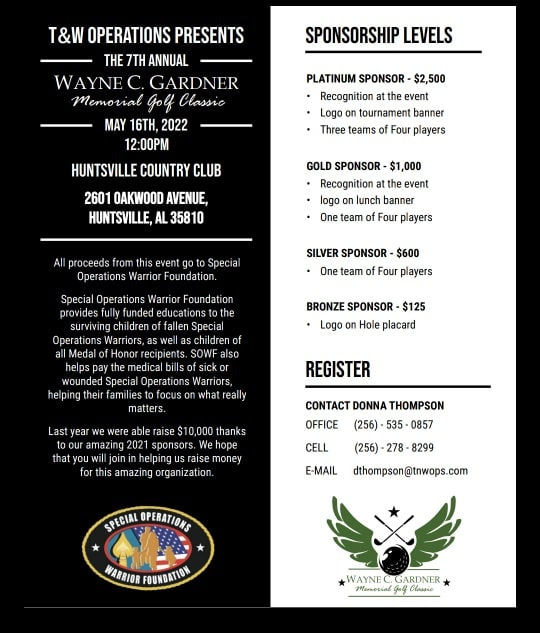
Be sure to sign up for this year's Wayne C. Gardener Memorial Golf Classic at the Huntsville Country Club sponsored by T&W Operations! We will be there helping golfers before and after the event. Proceeds go to Helping a Hero. Do not miss out on a fun day of golf!

Who is Helping a Hero? What has Helping a Hero done locally?

Register Here
Picture
Picture

Tight Hip Flexors?  Why your current stretching might not be helping and what to instead.

3/13/2023

 
Do you have tightness, tension or pinching in the front of your hip? How about low back tension or pain? A limited ability to get the hip flexor muscles to relax and lengthen can be a contributor to these issues. Additionally, limited hip motion due to tension in the hip flexors will make it difficult to hit good positions  with lifts such as snatches and overhead squats. Limited hip motion will also shorten stride length with running. 
Picture
Image credit: Dmoose.com  ​
Picture
image credit: arrowptseattle.com

What are hip flexors?
​Hip flexors a group of muscles on the front side of the body that connect the spine and pelvis to the leg. Typically, the most common action they are thought to perform is lifting the leg in front of the body similar to marching.  Another, less appreciated aspect of these muscles is that they attach to the spine and pelvis, influencing their position. Commonly, this results in the pelvis and spine getting pulled forward and down.  This orientation limits hip mobility and contributes to excess tension up the line into the back and even affects the shoulder and neck. 
​

Picture
photo credit: Beth ohara
Traditional hip flexor stretch  (What’s the deal?)
If you Google hip flexor stretches, the most common image you will see is some variation of the position below:
Picture
 image credit: Tnation.com
The idea is to lengthen and stretch the tight hip flexor muscles of the back leg. While you can definitely feel a stretch sensation in this position, it might not be the most effective way to get the change you desire. 
Why not?
​

To truly lengthen the hip flexors and improve your ability to extend the hip, you must be able to change the position of the femur (leg) relative to the pelvis. In the picture above, as she moves into the stretch, you can see her low back extends and where her belt line would be tipping forward. If she has tight hip flexors and limited hip extension, her hip joint stopped moving well before she got to this position and the majority of the movement happened at the spine and pelvis.
Picture
Image credit: Conor Harris
You can most definitely still feel a “stretch” in the front of the hip and leg, and get a temporary reduction in tension but most likely will not get lasting changes in hip mobility and will potentially reinforce the forward tilting position of the pelvis and back. 
What to do?
A big consideration to making this half kneeling position more effective is to appreciate not only what position the leg is in but also the spine and pelvis. Then, you can get a more accurate picture of where your hip motion actually stops and work from there.

2 VARIATIONS:
A modification of the half kneeling positioning.  
(credit Zac Cupples for exercise)
  1. Get into “superhero landing” pose.
  2. Slightly posterior tilt (tuck) your pelvis
  3. Reach into the block/roller to push yourself away, (Don’t’ overly round your back)
  4. Find the first barrier of resistance or stretch, then stay here for several breaths.
  5. As the muscles relax, you can move up into a higher stance, maintaining the slight pelvic tilt.​
Picture
For the video on how to do this stretch: https://youtu.be/KbmTd_yU4WI
Supine “half kneeling position”​
  1. Lie down on floor/table, with one foot on the wall and the other foot on the ground.
  2. Perform a slight pelvic tilt/tuck, and maintain it throughout the movement.
  3. Have the intention to “pull” your foot down the wall and “push” through the foot on the ground to lift your hips off the table.
  4. Hold the top position for 3 seconds, then slowly reverse and lower back down.
  5. Perform in  3-4 sets of 10 reps each side
Picture
https://youtu.be/MBTOwrzDbl4
You can use at Thomas Test to do a test/retest and check your hip extension capabilities 
  1. Lie on table/bed hugging on leg to your chest
  2. Allow the other leg to extend down towards the floor.
  3. If the down leg does not reach the table, and “floats” in the air, this is an indication of hip flexor tightness.
This is not a foolproof test, but can give an idea of any hip flexor tightness.
Picture
Check your hips, give these exercises a try, and get those hip flexors to melt and those hips moving like a BOSS.
Kevin Steen, PTA

ML830 Cold Laser Therapy

7/30/2022

 
Picture
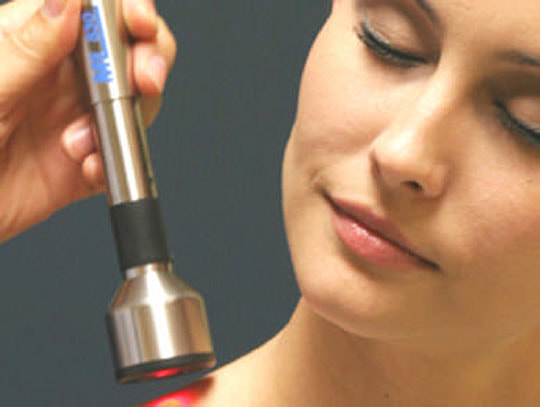
 Cold laser therapy is an innovative low level laser technology (LLLT) that is able to stimulate healing, relieve pain and inflammation, and restore function in the body. That means Fast Pain Relief for Soft Tissue Injury, Joints, Tendons, Ligaments, and Nerves WITHOUT Drugs or Surgery!
This advanced technology is safe, noninvasive and painless. You can now take advantage of this unique therapy at ProFormance Therapy and Wellness.

​Watch this video for a short description of how amazing this technology is.
​Conditions that can be helped using this patented one of a kind LLT include:
thritis
Bursitis
Tendonitis
Trigger Finger
Fibromyalgia
Sciatica Pain
Neck Pain and Whiplash
Shoulder, Elbow, and Hand Pain
Rotator Cuff Pain
Carpal Tunnel Syndrome
Repetitive Stress Injury
Tennis Elbow and Golfer's Elbow
​
Knee and Ankle Pain
Heel Spurs
Plantar Fasciitis
Herniated and Bulging Discs
TMJ Pain
Back Pain
Chondromalacia Patellae
Heel Spurs / Plantar Fasciitis
Migraine Headaches
Nerve Root Pain
Post Operative Pain
Neuralgia

​How does it work?!?​
How ML830 cold laser therapy can help you rapidly reduce pain and inflammation
and/or quickly strengthen healed tissues to prevent re-injury. As the ML830 microlight increases the speed of healing through a complex augmentation of your body’s normal inflammatory process. The non-thermal laser penetrates deep into your tissue promoting photobiostimulation. In essence, the cellular metabolism increases which in turn accelerates cell repair increases blood flow and stimulates the immune and lymphatic systems.
The photobiostimulation energizes cells and accelerates your body’s normal healing process.
That’s not all; Low-Level Laser Therapy with the ML830 also improves collagen and muscle tissue
development and helps generate new healthy cells and tissue. Clinical studies to date have shown a
reduction in pain, inflammation, edema, and an overall faster healing time. Amazingly, the ML830
creates true healing instead of masking pain as in the case of ice, heat, medication, and electrical
stimulation.​

What does treatment look like?
Treatment with the ML830 Laser is painless consisting of several brief sessions, lasting a couple of
minutes to about five minutes per whole body part on average. Each area is treated with the laser for about 1.5 minutes. Roughly 3 to 4 areas make up a whole body part. You should not feel anything during treatment other than the ML830 Laser’s tip coming into contact with your skin. There is no pain, electrical pulses, or feeling of heat during treatment as is common with other therapies. Only a very small number of patients have ever reported feeling anything during therapy (about 3%). Of those, they only report a feeling of slight warmth or slight stimulation of nerves, nothing discomforting at all.

You may be one of the 75 to 80% of patients who feel improvement immediately after (and sometimes
during) treatment. For chronic conditions, it might take a few treatments. This advanced technology is non-invasive, painless, and drug-free!

How the ML830 is unique 
Up until now, other lasers were only able to penetrate half as deep into bodily tissues. The ML830,
with its patented 830nm wavelength, is the only device capable of a penetration capacity of
approximately 5cm with a 3cm lateral spread. This makes the ML830 the deepest penetrating
treatment modality currently available allowing it to reach many more of your tendons, ligaments,
and muscle tissues. 
​
ML830 Cold Laser Therapy Is Safe, Painless and Noninvasive.
The MicroLight Corporation is the exclusive manufacturer of the patented ML830 Laser and the first 
company approved in the United States by the FDA to provide low-level laser therapy for the non-surgical treatment of Carpal Tunnel Syndrome. 

The ML830 has been safely used around the world for over 30 years with great
success. In fact, General Motors was part of the original ML830 Laser clinical studies, testing all
employees at their Flint Michigan plant who suffered from Carpal Tunnel Syndrome (this was a large
group). “GM found it to be 70 to 80 percent effective – nearly 80 percent of the people in the study went back to work, while the other 20 percent experienced some improvement.” However, there’s more, the ML830 is the world’s first FDA-approved “3-B Laser” after passing guidelines that include years of clinical studies and tests. The FDA has some of the highest standards in the world. Surprisingly enough, the Laser doesn’t generate heat and is approved to be used over metal implants and fractures making it safer than Ultrasound. Laser therapy can be used when you want or need a drug-free procedure to control pain, when conventional therapies have been ineffective, or when you want to quickly heal from injuries.

For more information, please see the MicroLightCorp website.


​Take advantage of this exclusive decrease way to decrease pain and promote tissue healing pain with the  ML830 Cold Laser Therapy.

How to up your recovery and training? BFR!

4/29/2022

 
Do you want to give yourself the best change for fully recovering strength after a procedure? Have you had surgery and never regained full strength? Blood Flow Restriction training may help you.
“Normally, patients undergoing Achilles surgery take a year to return to sport. We are hoping to cut that down by at least 30% and potentially make patients stronger as well,” said Dr. Drakos. “Blood flow restriction therapy is an accelerated rehabilitation protocol. The therapy essentially creates an environment in the muscle where it makes the muscle work as hard as if it is lifting heavy weights when it is lifting smaller weights. Cutting off the blood flow tricks the muscle into working harder than it actually would be doing…
Achilles rupture often presents a difficult recovery for patients, who commonly suffer a 10% to 30% strength reduction in the affected leg up to one year postoperatively… Blood flow restriction therapy allows us to work the muscle right away, so it doesn’t atrophy and shrink. It safely allows the muscle to see some loading and develop more muscle, so that it can actually start to recover while the tendon is not completely healed yet.”
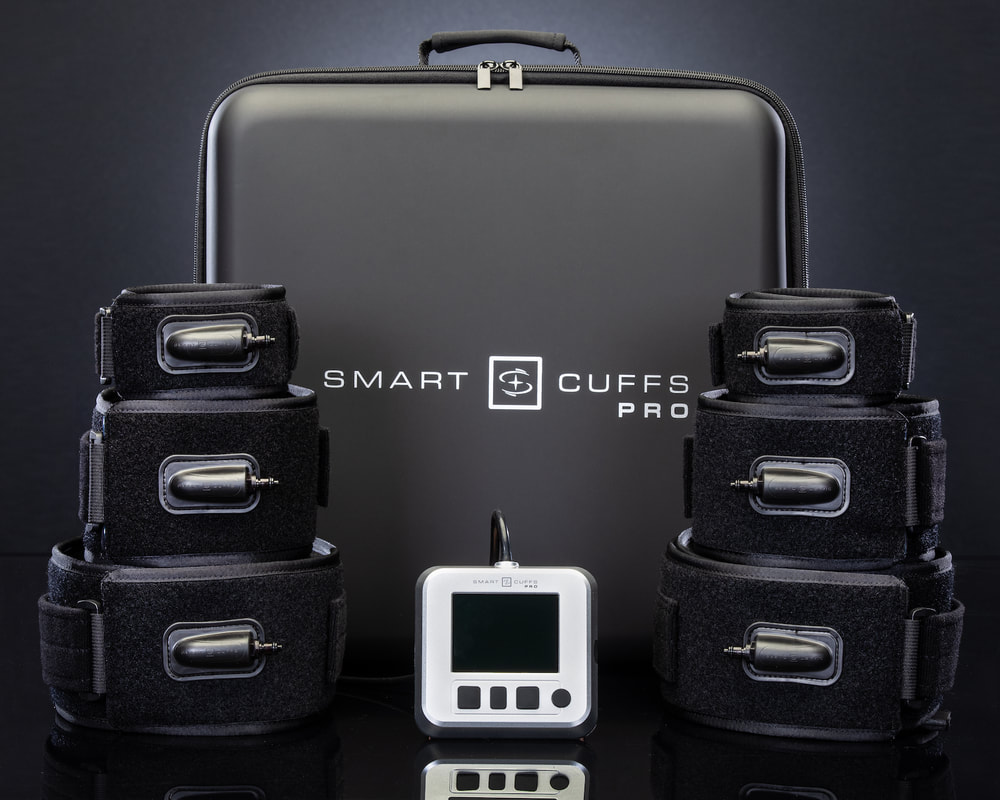
This technique can be used for most muscle groups. We have the Smart Cuffs Pro here for your training and rehab needs. Get the most bang for your buck here at ProFormance. 
Picture
Picture
Maggie Duggan, PT, DPT, FDN-1, CF-OL1

Let's play golf at the Golf Classic on May 16!

4/21/2022

 
 We will be back this year supporting the Special Operations Warrior Foundation! Join us by signing up for a fun Golf Classic presented by T&W Operations. It is held at the local Huntsville Country Club. Last year they had an AR-15 shooting hole! Do not miss the fun for a worthy cuase. 
Picture
Picture
<<Previous
Forward>>
    Special Offers & Events
    Click above for details on any promotions being offered or special events to catch the team at. 

    Archives

    September 2025
    August 2025
    July 2025
    March 2025
    February 2025
    July 2024
    March 2024
    January 2024
    November 2023
    September 2023
    July 2023
    May 2023
    April 2023
    March 2023
    July 2022
    April 2022
    March 2022
    October 2019
    July 2019
    June 2019
    January 2019
    December 2018
    November 2018
    October 2018
    September 2018

    Categories

    All


CONTACT ProFormance TO START LIVING pain free now!


Huntsville Location

Inside Crossfit Invigorate
​162 Export Circle NW
​Huntsville, AL 35806

Athens
​Location

Inside Life Changing Fitness
​1104 Annie Ruth Jamar St
Athens, AL 35611
​​

Contact numbers

Scheduling:  256-203-0376
​Fax: 256-513-9952

Email

[email protected]​

​Hours

Mon-Fri: 8am - 5pm

Picture
Picture
Picture
Picture
  • Home
    • What People Say About ProFormance
    • Meet Dr. Duggan and Staff
    • How ProFormance is Different
    • Wall of Fame Clients
  • Services
    • Huntsville Physical Therapy
    • Athens Physical Therapy
    • Crossfit, Baseball, and Running Performance Screens and Training
    • Comprehensive Wellness One Stop Shop
    • Dry Needling
    • Personal Training
    • Stretch Clinic
    • BFR: Blood Flow Restriction
  • Patient Info
    • New Patient Paperwork
    • Buy Supplies
    • Insurance and Billing
    • FAQ
    • Pay Your Bill
  • Crossfits and Sports Teams
  • Blog & News
  • Contact